What is JeppesenForeFlight?
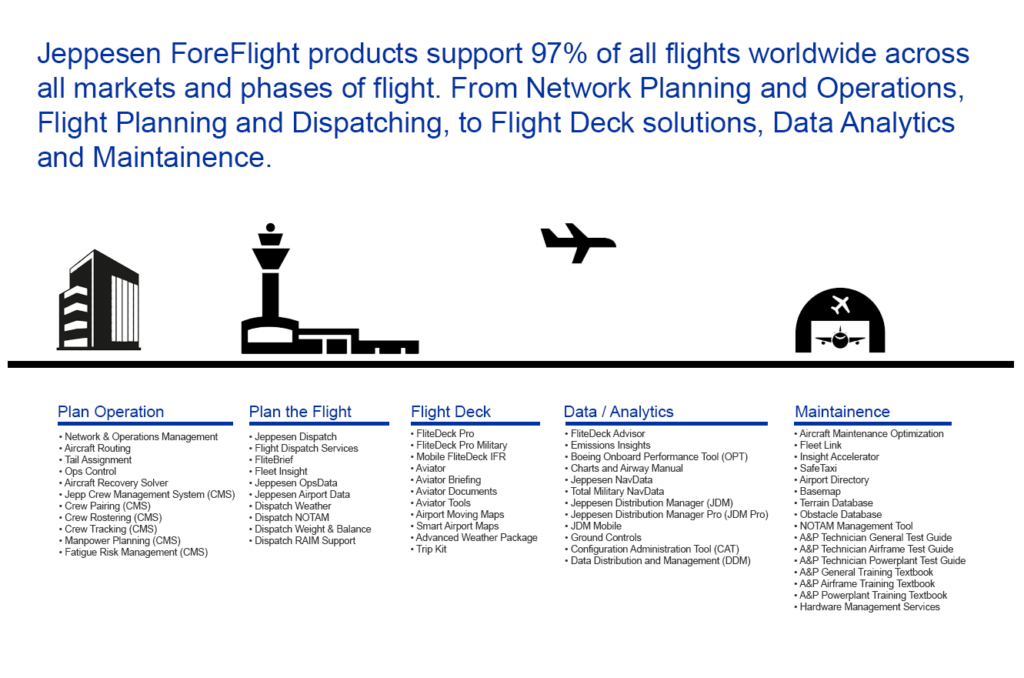
JeppesenForeFlight is the software division of Boeing which delivers mission-critical aviation software used across the global aviation ecosystem. Their platforms support everything from long-range commercial flight operations to military missions, business aviation, and general aviation pilots. The portfolio spans crew planning, flight planning, in-cockpit flight deck applications, and ground operations and maintenance—systems that must perform reliably in highly regulated, high-stakes environments.
I established and led service design within this ecosystem at Boeing, working across the full software portfolio to ensure these interconnected tools operated not as isolated products, but as a coherent operational system supporting real-world aviation workflows.
My Role as the First Service Designer at Boeing
I led cross-portfolio service design efforts spanning strategy, product, and operations, connecting executive vision with real-world aviation workflows. I partnered with executive leadership, marketing, sales, product, engineering, and service teams—including implementation, training, and support—to uncover friction across systems, processes, and customer touchpoints.
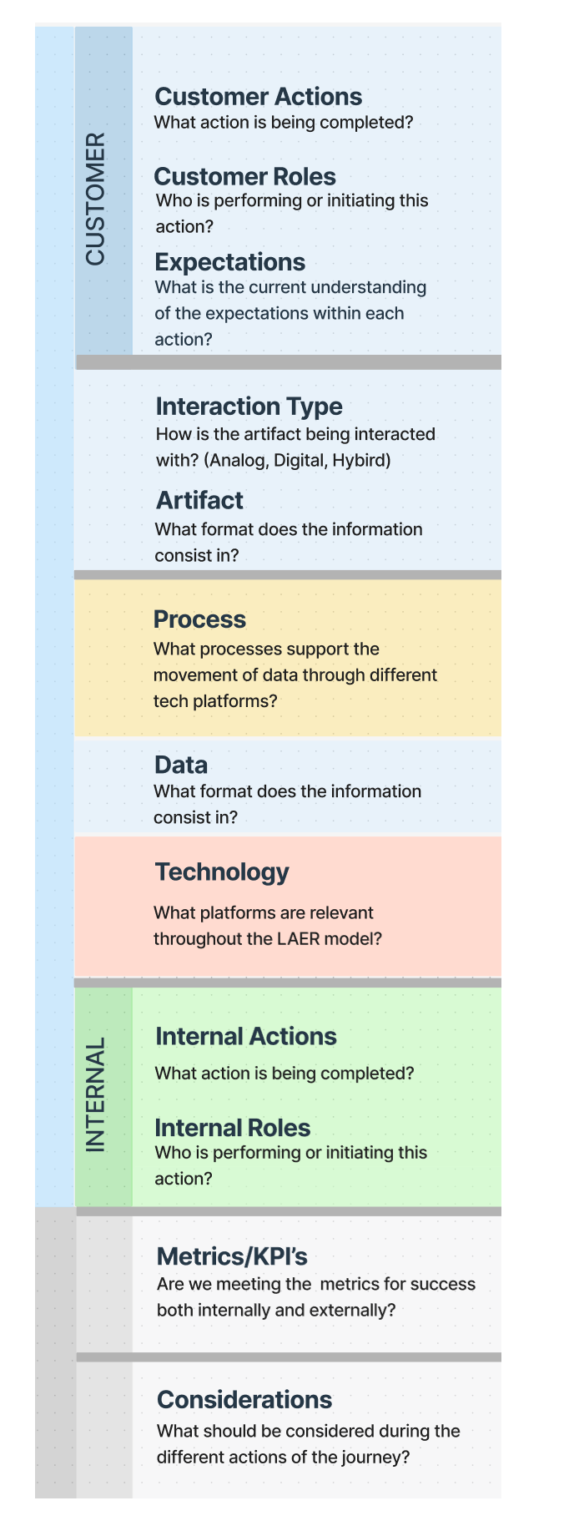
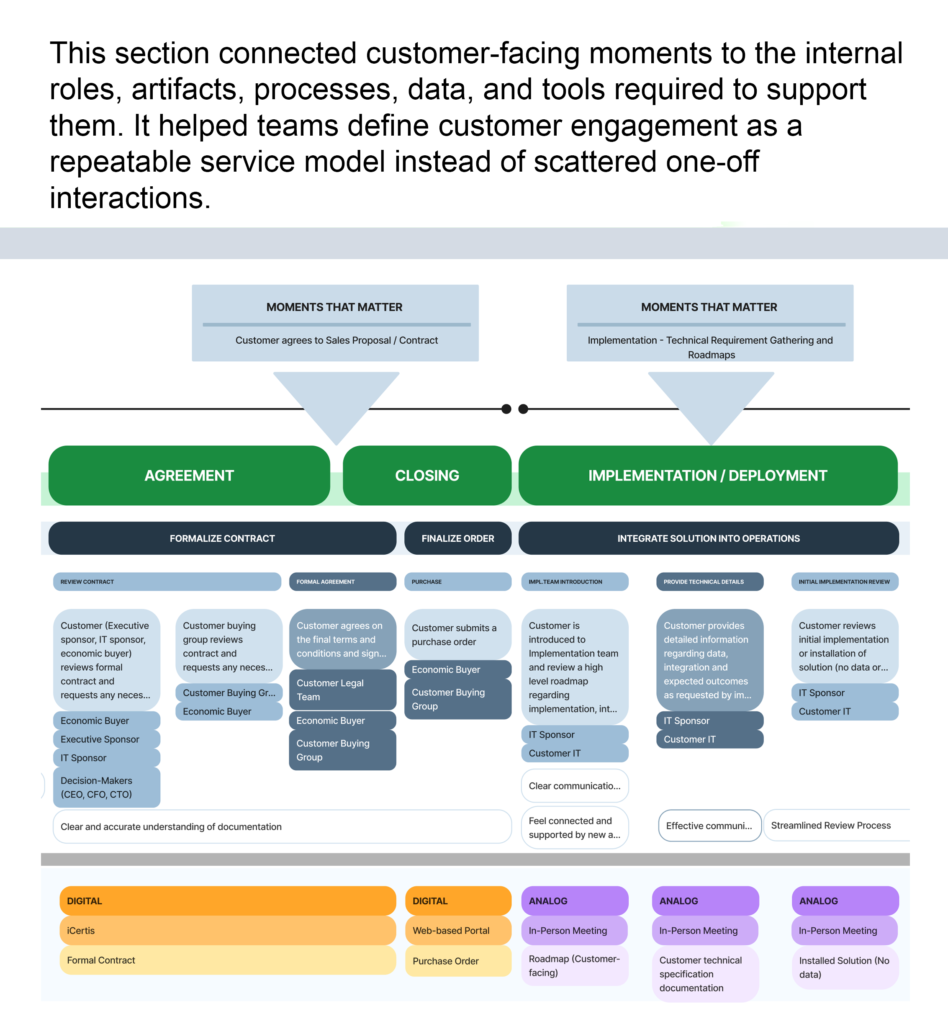
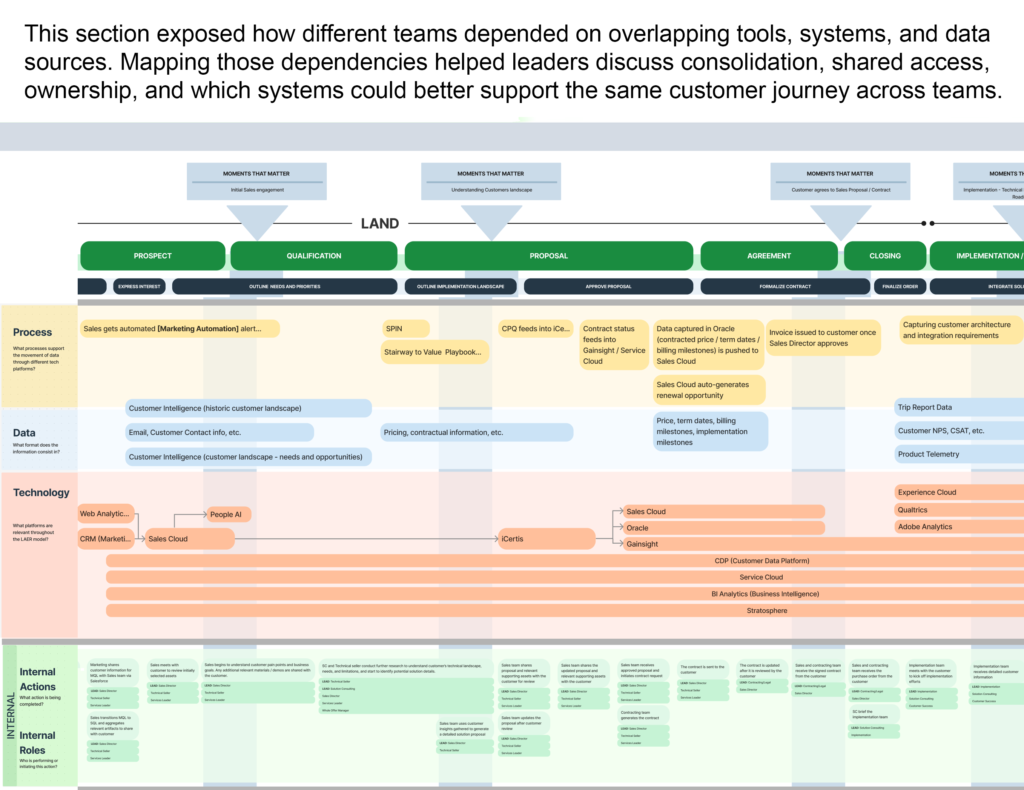
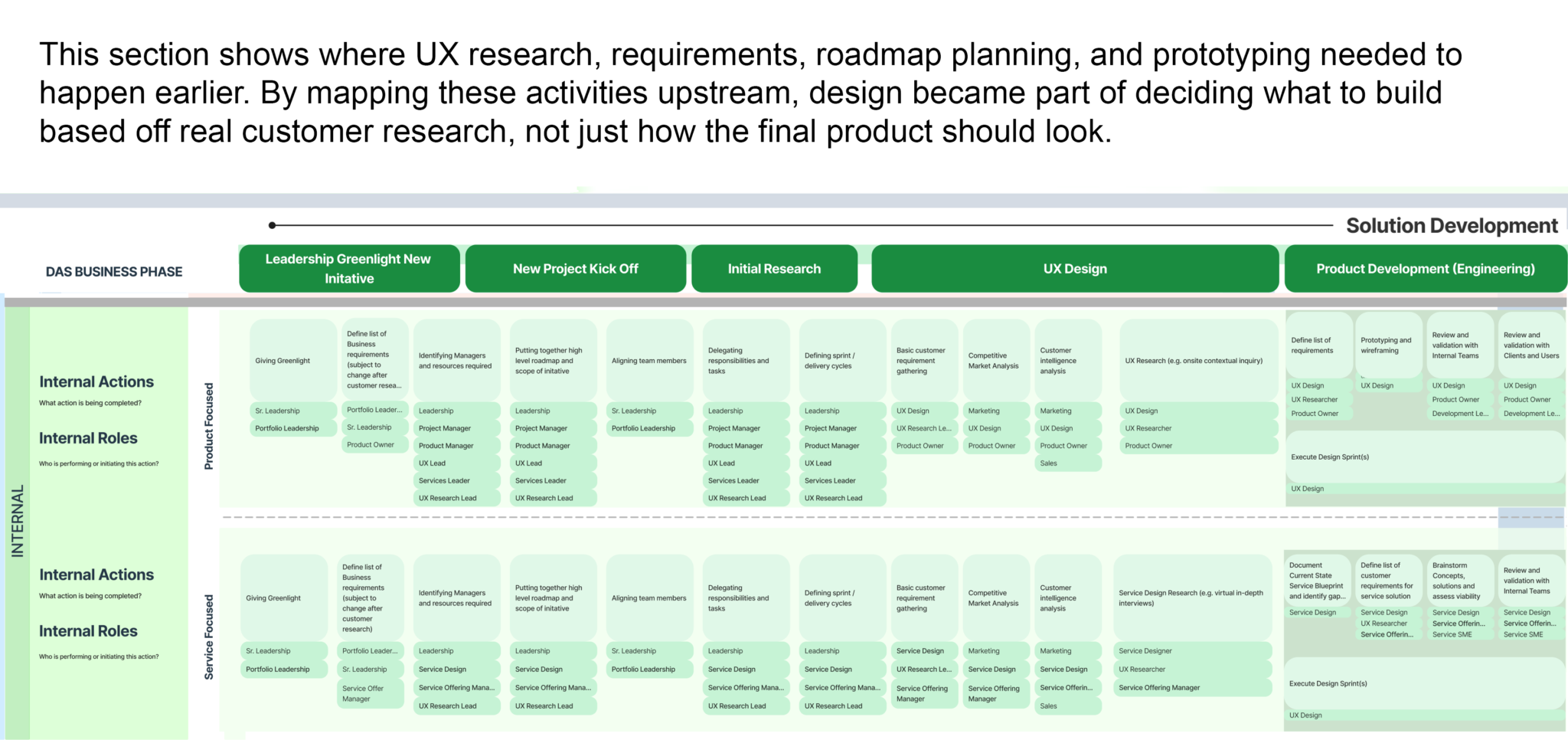
Through stakeholder interviews, on-site observation, workflow analysis, and cross-portfolio synthesis, I translated operational complexity into service models, journey maps, and portfolio roadmaps that reflected how aviation professionals actually work. This enabled measurable improvements to customer experience while also identifying system- and process-level changes that improved internal alignment, accelerated adoption, and strengthened how aviation software was designed, delivered, and supported at scale.
What is Service Design?
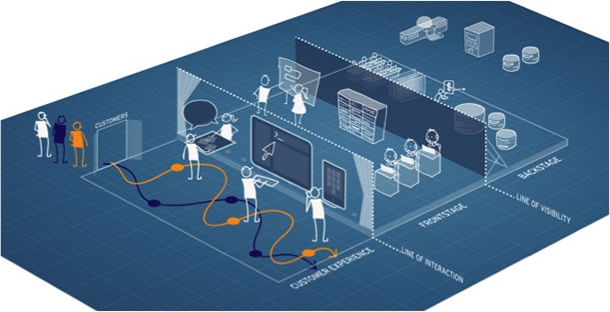
Service design focuses on how people, processes, technology, and organizations work together to deliver value. Rather than optimizing a single interface or feature, it looks at the full ecosystem—how a product is sold, implemented, trained, supported, maintained, and evolved over time.
In complex environments like aviation, where software decisions impact safety, compliance, and operational efficiency, service design helps ensure that tools align with real workflows and that internal teams operate in sync. It turns fragmented systems into coordinated experiences—bridging strategy and execution so that innovation is not just introduced, but trusted and effectively used in day-to-day operations.
Due to the proprietary and regulated nature of aviation software, most of my work at Jeppesen and ForeFlight cannot be shared publicly. My focus extended beyond interface design into deep operational research, stakeholder alignment, service modeling, workshop facilitation, and cross-portfolio roadmap development that informed product and process strategy.
Examples of my process, research synthesis, journey frameworks, workshop structures, and strategic artifacts are available upon request and can be reviewed in a virtual session.

At Boeing, I modernized the aviation consulting model by turning an expert-led, mostly analog approach into a more consistent, digital workflow. Our SMEs worked directly with airlines to uncover operational problems and recommend product-agnostic solutions, but the process varied widely and didn’t scale well.
I introduced a repeatable engagement playbook grounded in service design and UX research—interviews, onsite observation, and workflow mapping—so teams could capture real operations and translate insights into clear priorities. I standardized research tools and digital documentation, then facilitated working sessions with airline stakeholders and internal product and engineering teams to convert findings into practical roadmaps with measurable outcomes.
Due to the proprietary and regulated nature of aviation software and NDAs, I am unable to publicly share further examples of work. Please reach out for a virtual session and I'd be more than happy to walk through several examples spanning across a variety of customers and product spaces.