- UX Research Leadership
- Research Operations
- Capability Strategy
- Research Governance
- Research Infrastructure
Building an Enterprise UX Research Capability
At Fiserv, structured UX research was difficult for product teams to access. Evidence was scattered across support channels, customer conversations, stakeholder requests, and isolated initiatives, while teams lacked a shared process for recruiting participants, running studies, and carrying findings into product decisions.
After proving the value of direct customer research on Client Central, I developed the tooling plan, budget, and business case for a dedicated UX Research Lab. I designed the physical space and operating model, secured VP sponsorship, ran the initial research program, and hired and trained a dedicated researcher to continue the capability.
The Research Capability I Built
The lab combined four things Fiserv did not previously have in one place: purpose-built research infrastructure, reusable study operations, live stakeholder observation, and a defined path from evidence to product work.
Established Research Infrastructure
Designed the physical space, toolset, and intake-to-readout workflow required for structured in-person research.
Standardized UX Resarch
Created reusable templates and processes for recruitment, consent, and synthesis, so teams could compare findings across studies instead of treating each study as a one-off.
Enabled Live Observation
Built observation into the environment so product, design, Customer Success, and leadership could watch real sessions directly.
Connected Findings to Product Work
Converted observed behavior into prioritized recommendations, requirements, backlog inputs, and roadmap evidence.
Why Research Was Difficult to Scale
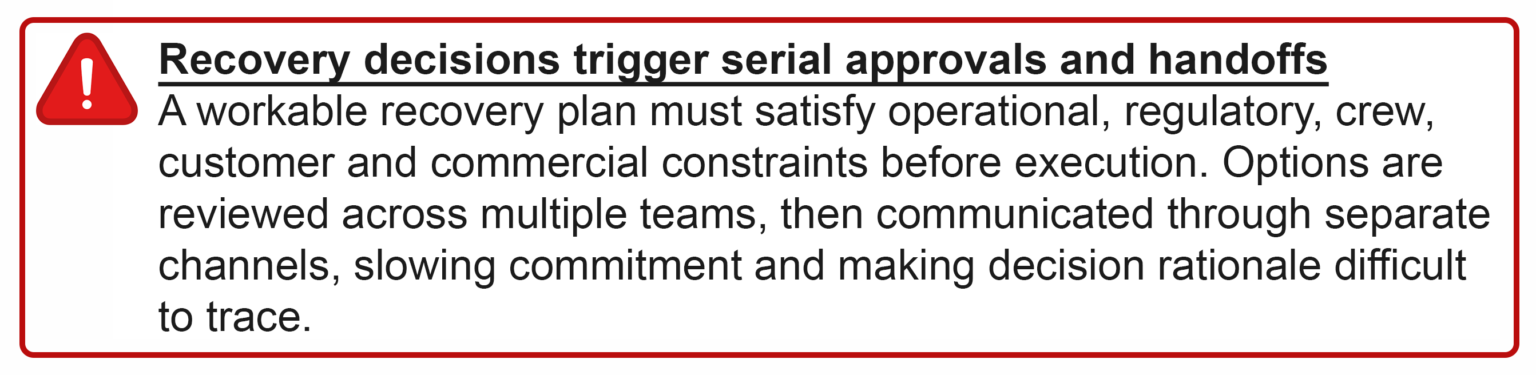
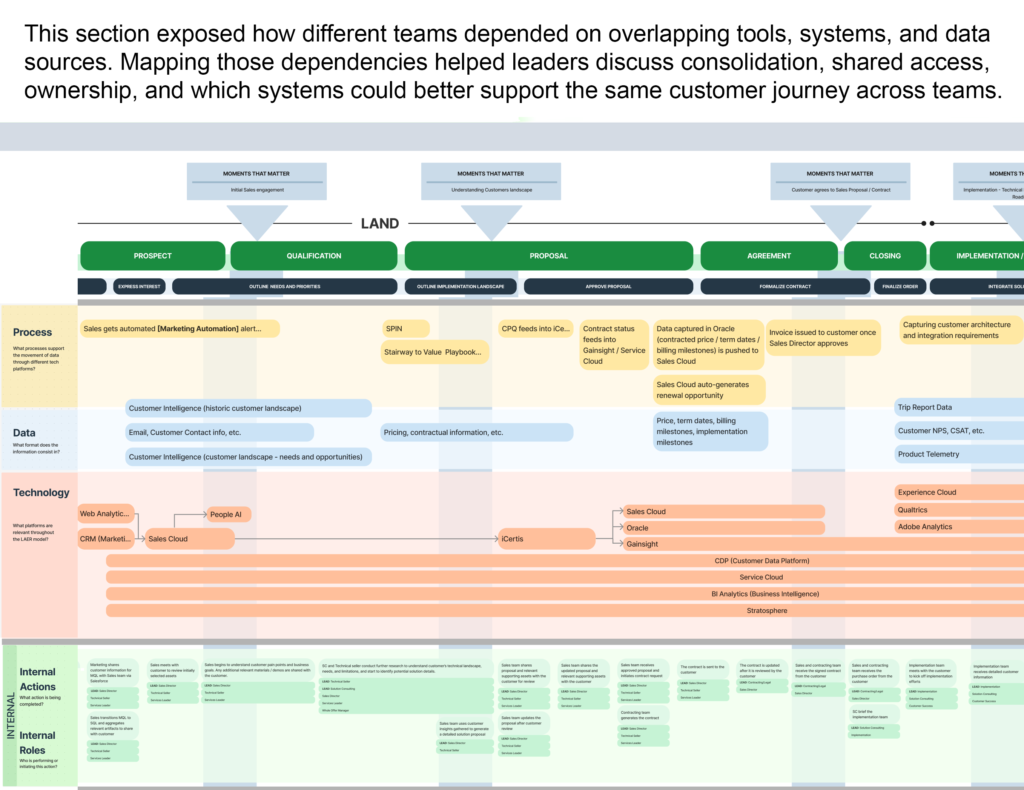
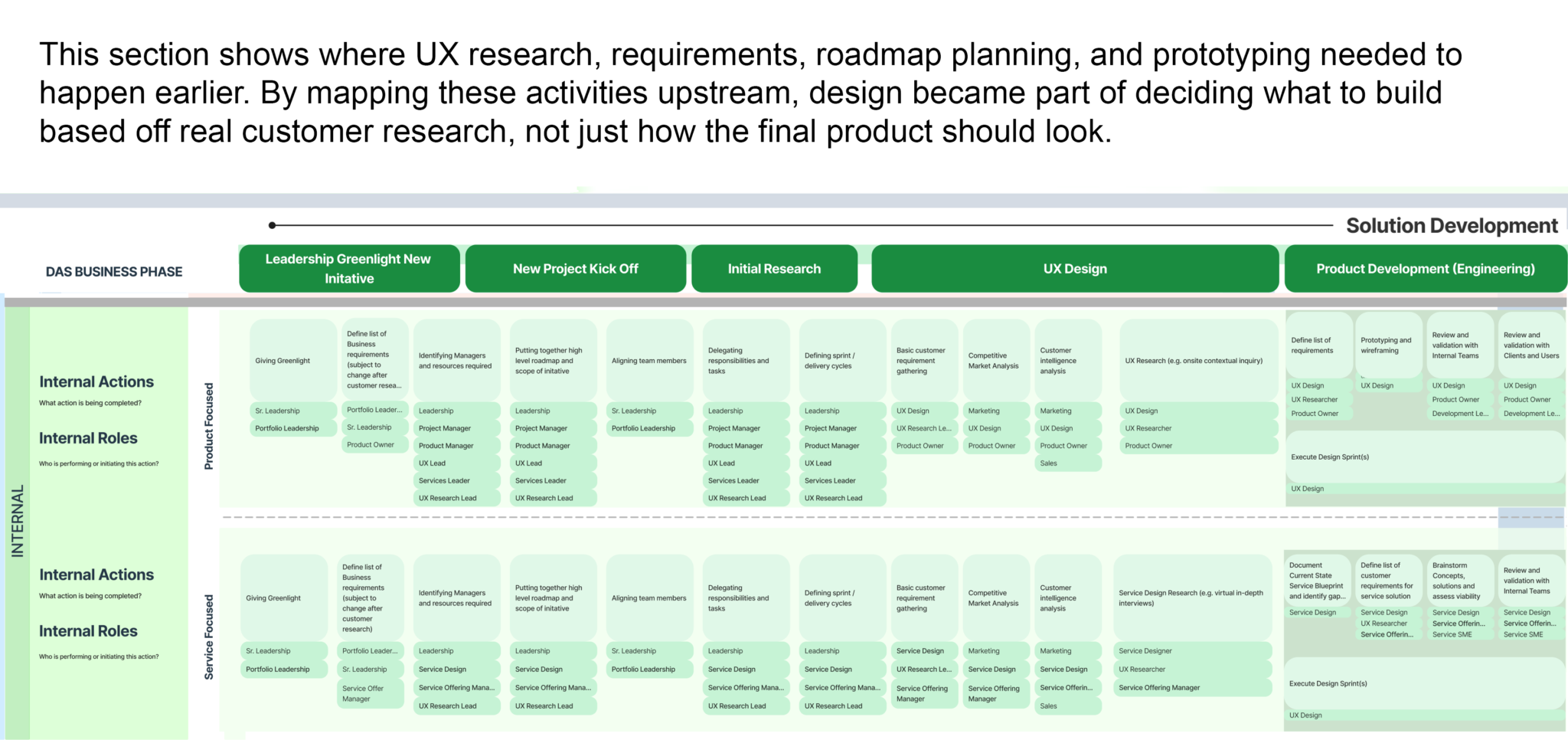
Research at Fiserv was largely optional, fragmented, and remote. Teams lacked a shared intake, recruitment, facilitation, synthesis, and repository process, so findings were difficult to compare, reuse, or carry into product decisions.
Building on the results of Client Central and related customer research, I proposed a dedicated UX Research Lab that combined a controlled testing environment with a repeatable operating model.
Drag the slider to compare fragmented team practices with the standardized UX Research Lab operating model.
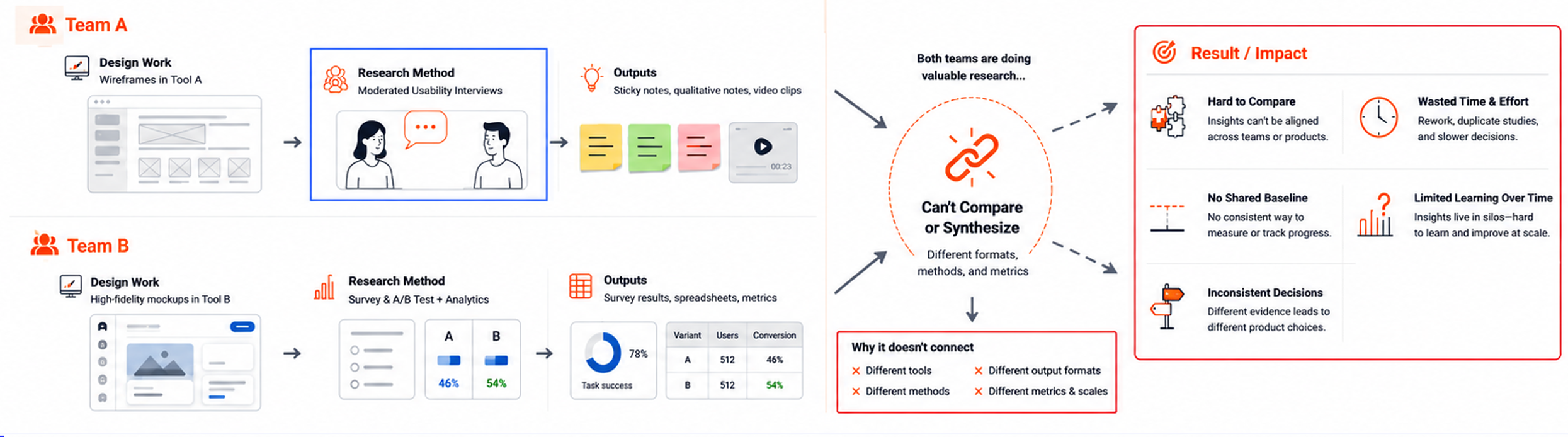
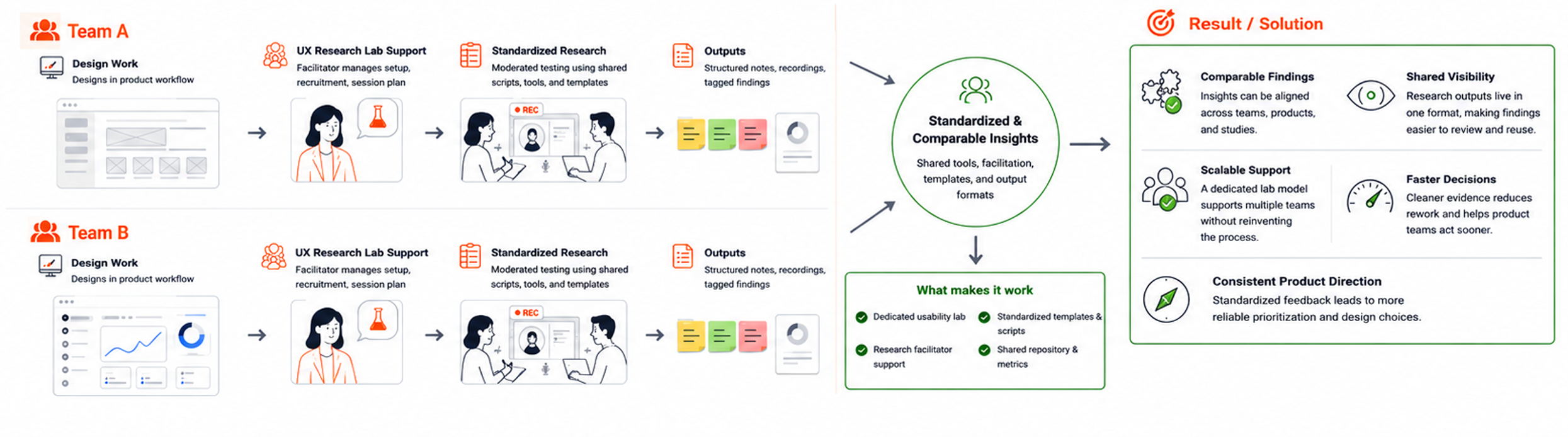
From fragmented team practices to one standardized research workflow with shared visibility and reusable findings.
A Repeatable Research Operating Model
The research operating model supported moderated usability testing, job shadowing, concept validation, interviews, A/B testing, stakeholder observation, and structured synthesis.
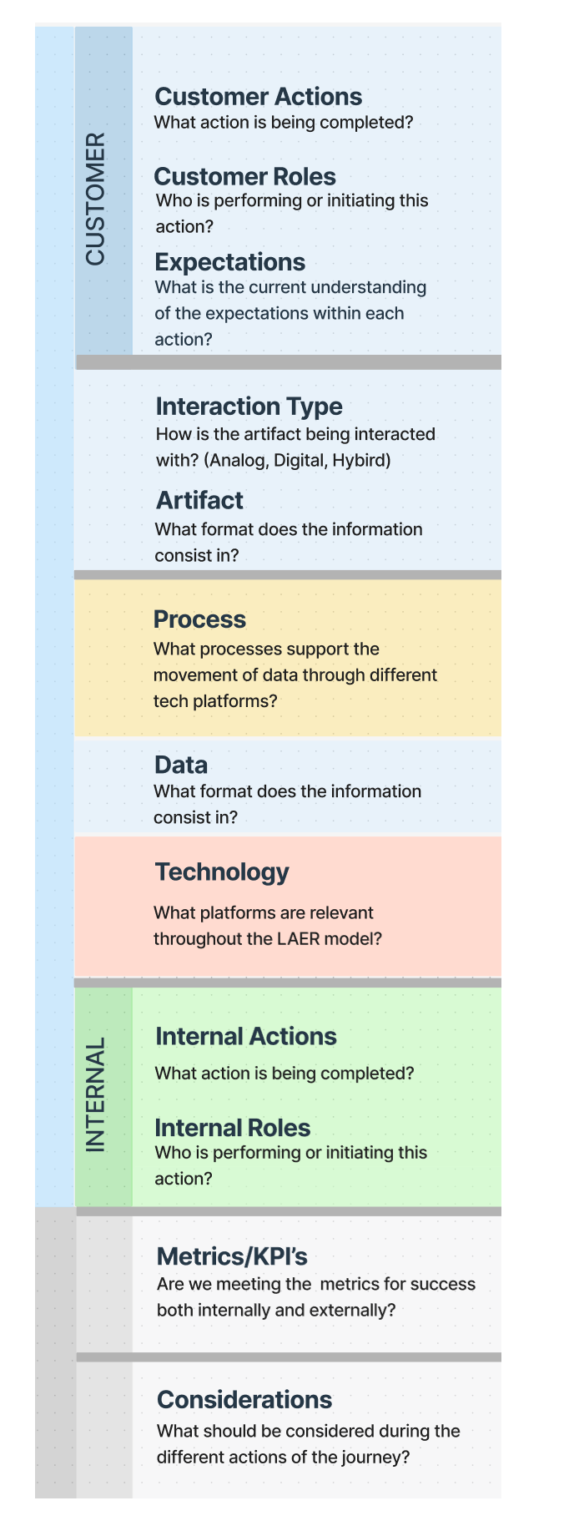
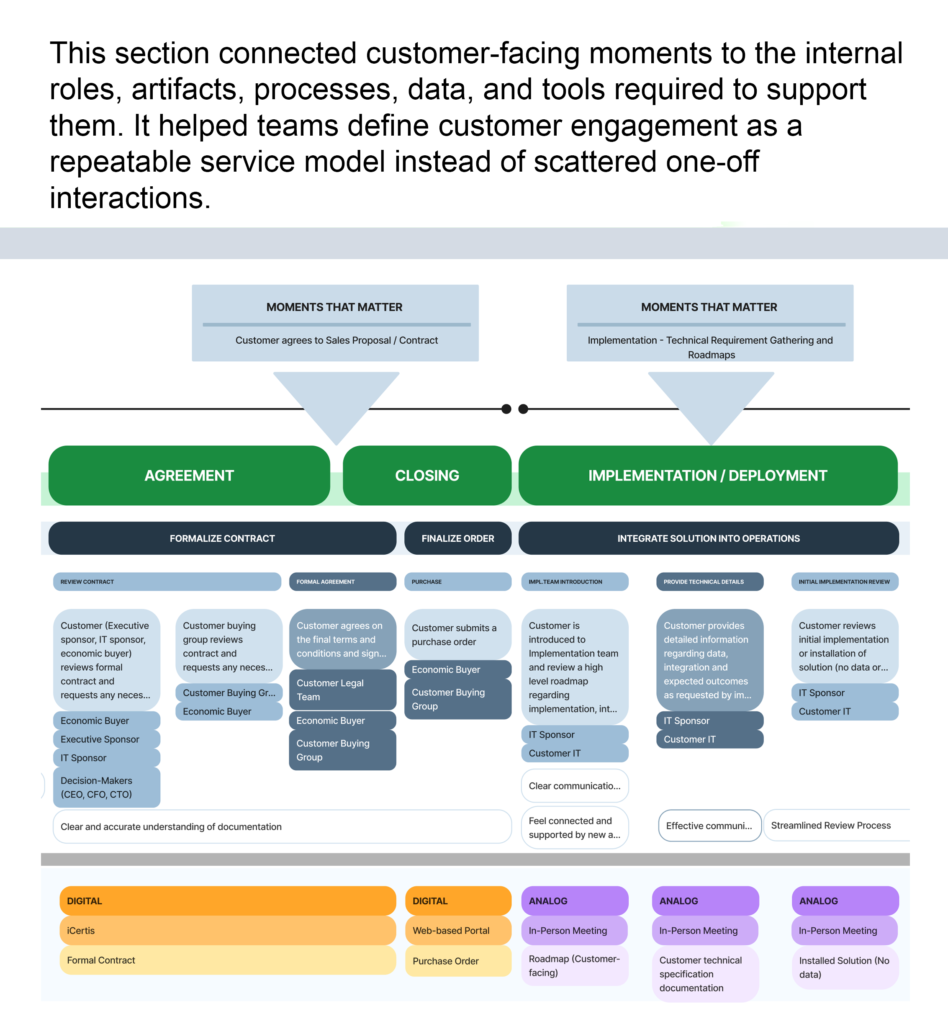
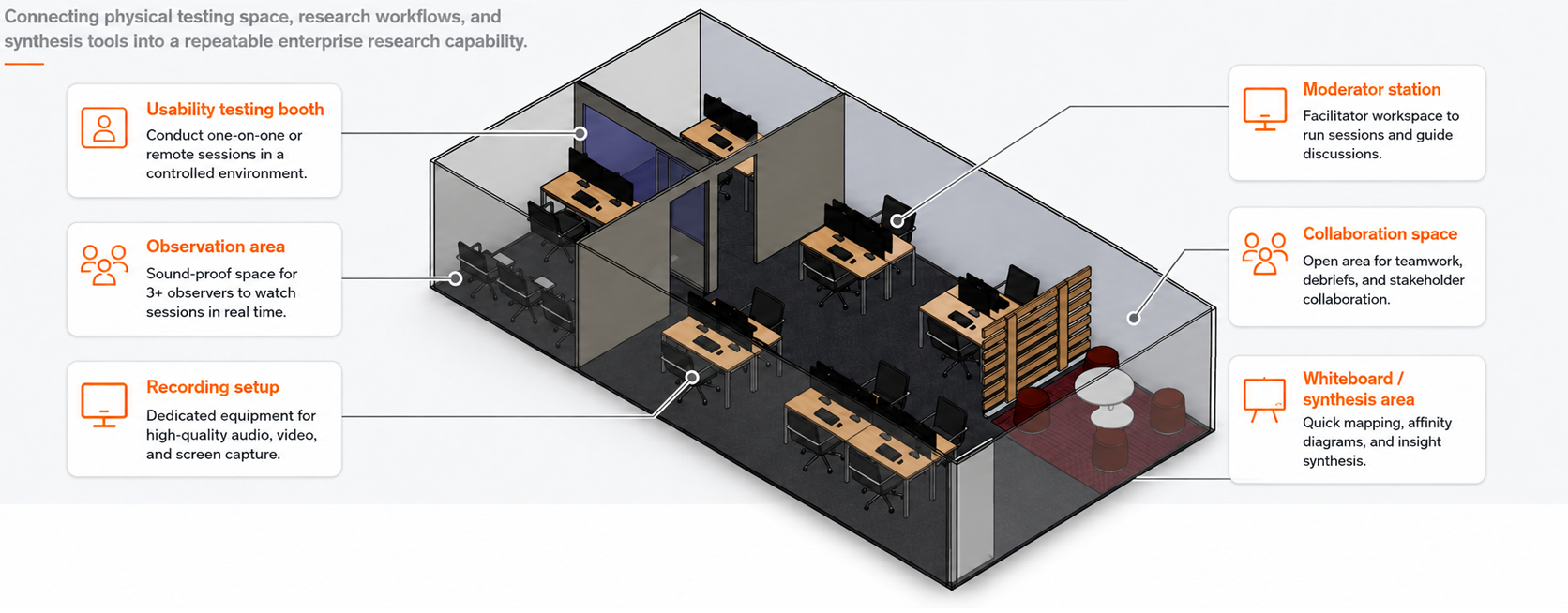
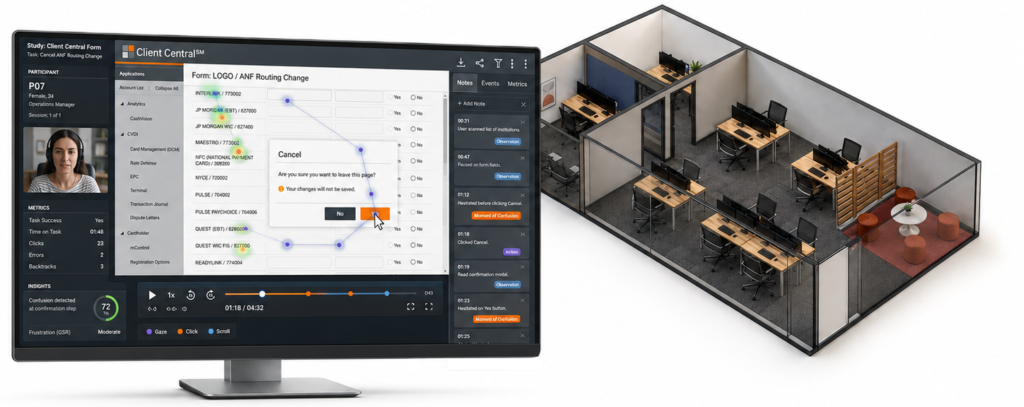
I designed the operating model to connect intake, recruitment, consent, facilitation, recording, synthesis, reporting, and product follow-through. The physical environment included participant and moderator stations, a soundproofed observation room, recording and screen-capture equipment, survey and analytics tools, and a collaborative synthesis area.
Research at Scale
The lab gave product teams a consistent way to observe users, compare findings, and carry evidence into product decisions during its initial operating phase. The work surfaced workflow friction earlier, strengthened Voice of Customer practices, and gave teams shared evidence for prioritization.
The figures below reflect the lab’s initial operating phase.
Job Shadowing Sessions
Planned and facilitated field observations to understand real workflows, workarounds, dependencies, and operational constraints.
Usability Tests
Designed and moderated task-based studies, documented friction, and translated findings into prioritized product recommendations.
Concept and A/B Studies
Structured comparative studies to evaluate concepts, interaction patterns, messaging, and workflow alternatives before implementation.
In-Person Interviews
Led interviews with users and stakeholders to uncover needs, pain points, expectations, and decision criteria.
Product Team Partnerships
Partnered with 12 teams to scope research, involve stakeholders, synthesize evidence, and guide product decisions.
Customer Organizations Engaged
Coordinated participation across 38 customer organizations, expanding access to representative enterprise users and customer perspectives.
Participants represented customer organizations ranging from regional institutions to several of the largest retail and investment banks in North America and Europe.
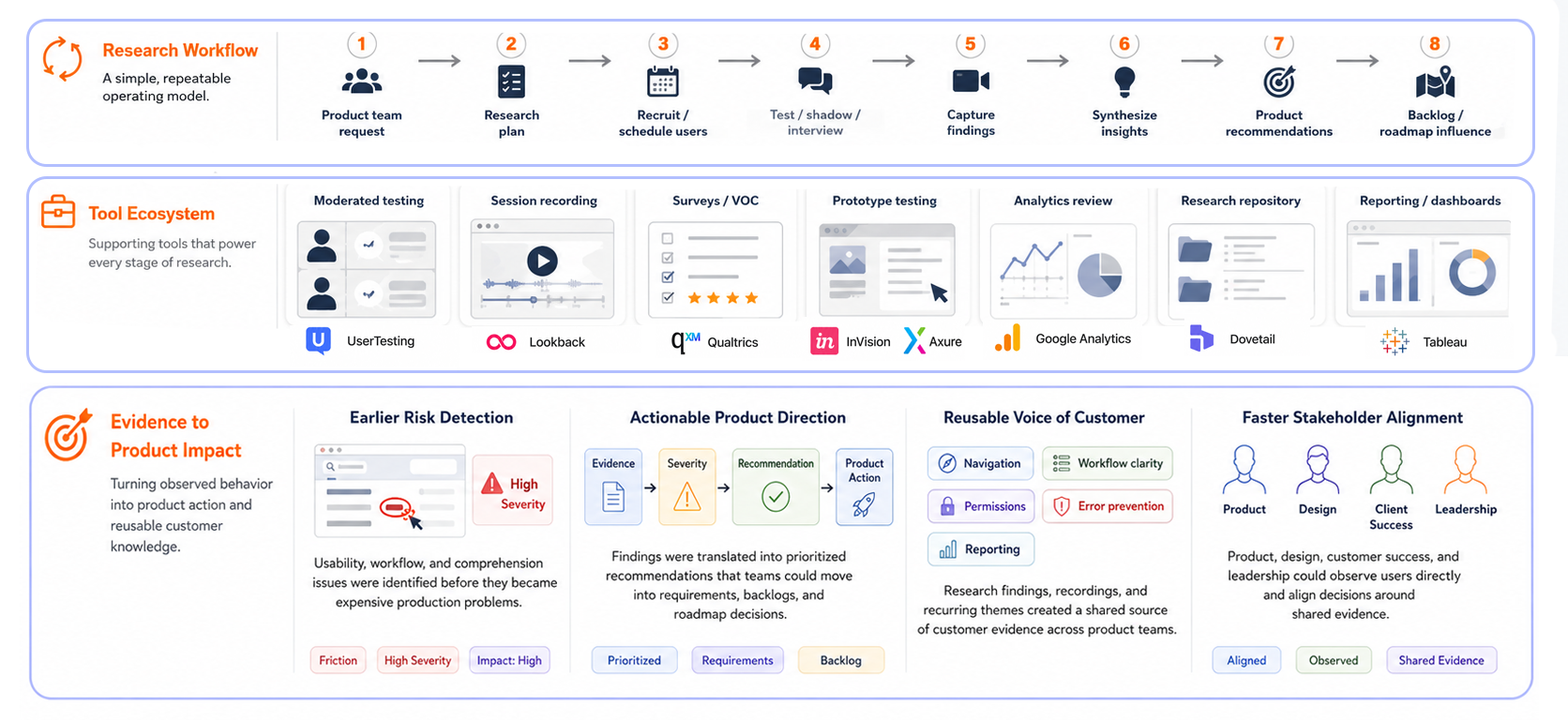
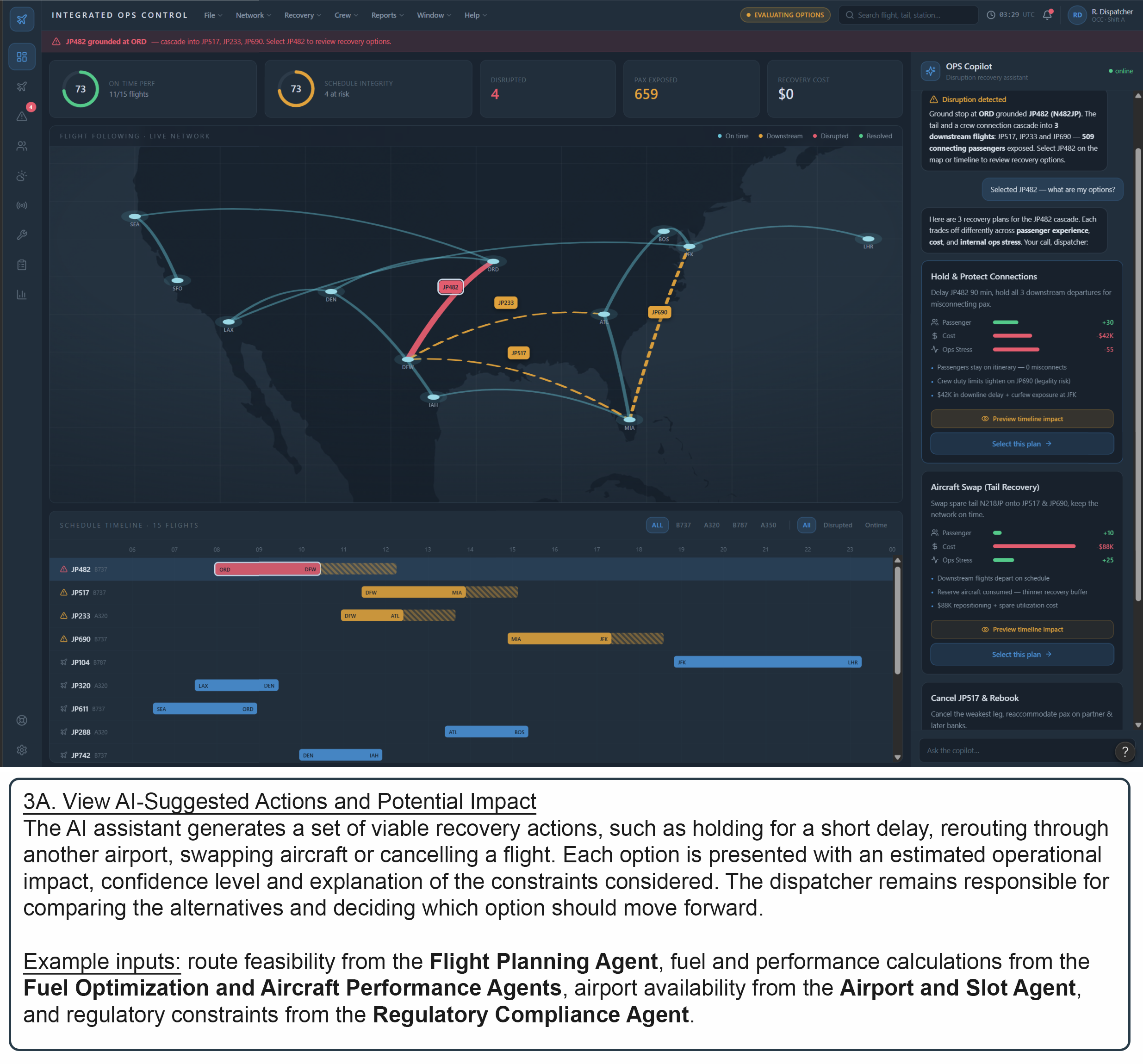
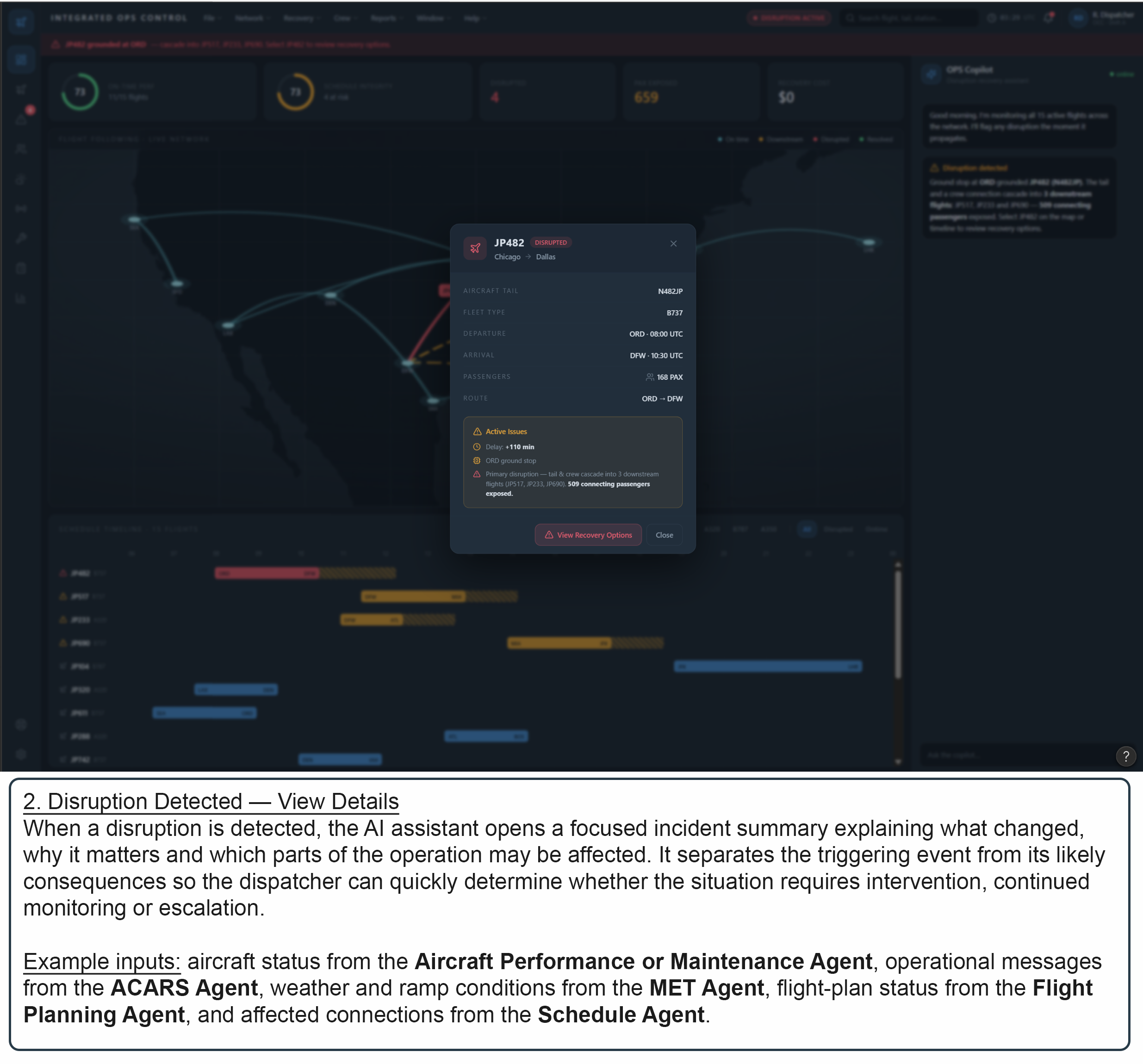
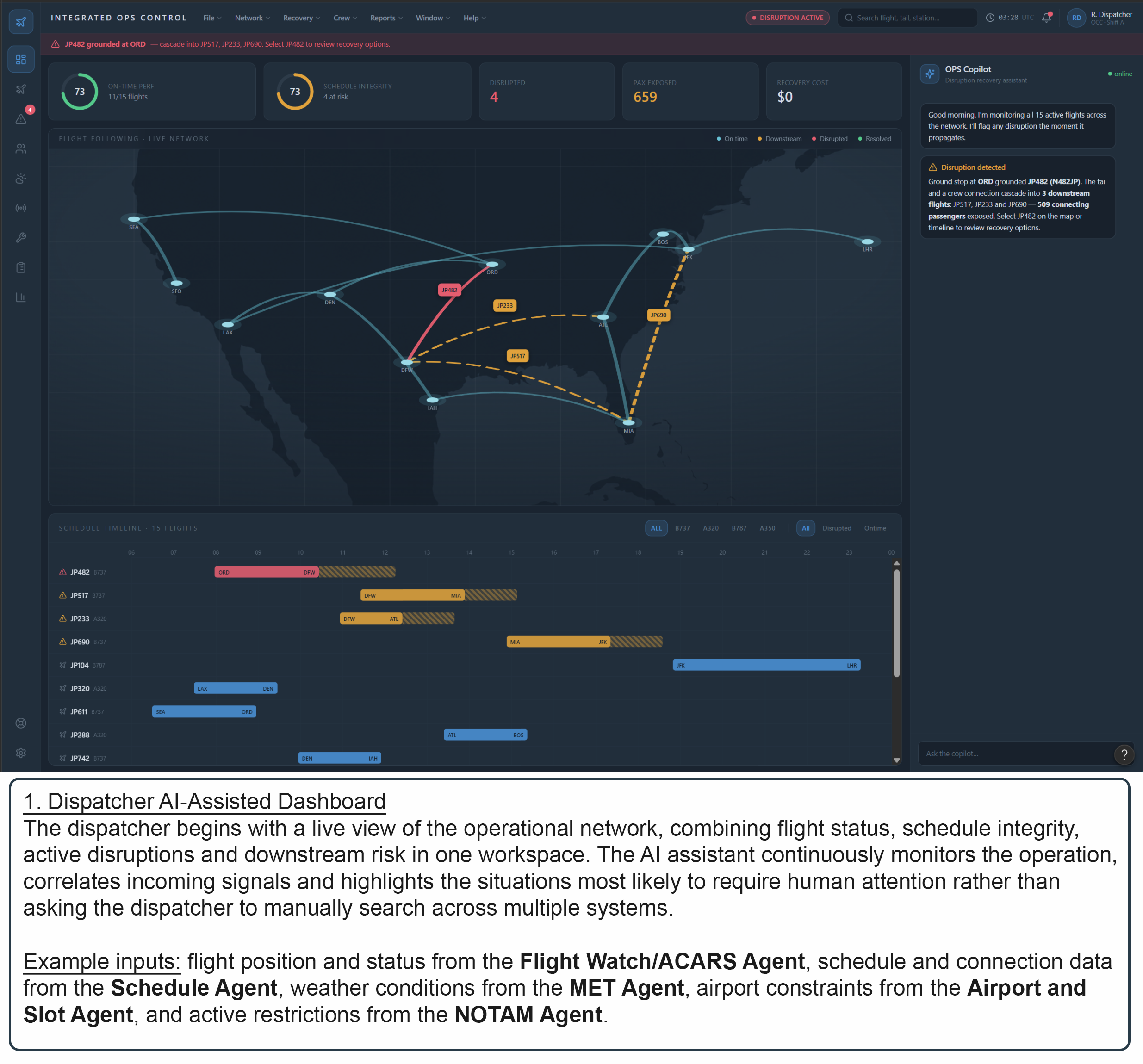
The toolset I selected and integrated into one intake-to-readout research workflow.
Every study passed compliance review before participants entered the lab. I built that requirement into the operating model, using dummy data and representative content in test builds while following the company’s consent and recording standards.
ONE PRODUCT DECISION IN ONE WEEK
One designer arrived with three competing user flows and no reliable way to choose between them. We narrowed the options, recruited local users, and set up an in-person comparison study within one week, then ran it in a single afternoon. The team reached an evidence-based decision within days. Before the lab, the setup burden would likely have prevented the study from happening at all.
Building a Research Function That Could Outlast Me
I identified a missing organizational function, developed the business case and operating model, secured executive sponsorship, launched the lab, and ran its initial research program. I then hired and trained a dedicated researcher so the capability could continue without depending on me.
The lasting outcome was not only a physical space. Fiserv gained a repeatable way for product teams to access users, observe evidence directly, and carry findings into recommendations, requirements, backlog decisions, and roadmap priorities.
COMMON QUESTIONS
I completed the tooling research and developed the budget and business case before asking for approval.
I tracked research activity, product-team participation, customer organizations represented, and whether findings were converted into recommendations, requirements, backlog inputs, or roadmap evidence. The figures on this page represent the lab’s initial operating phase.
Each study ended with structured synthesis and a readout tied to a specific product decision. Depending on the study, outputs became prioritized recommendations, workflow requirements, backlog inputs, or evidence for roadmap discussions.
I planned and ran the lab’s initial research program while establishing the operating model. After hiring and training a dedicated researcher, I transitioned day-to-day ownership so the capability could continue independently.
Remote methods remained useful, but they did not solve the operational gap. The lab gave teams a controlled place for in-person studies, live stakeholder observation, reliable recording, and structured synthesis, while the operating model standardized how research moved from intake to product action.
Specific product details, stakeholder names, and implementation details are confidential. This case study focuses on the UX research approach, operating model, supporting artifacts, and organizational value of the work.
RECOMMENDED NEXT CASE STUDIES →
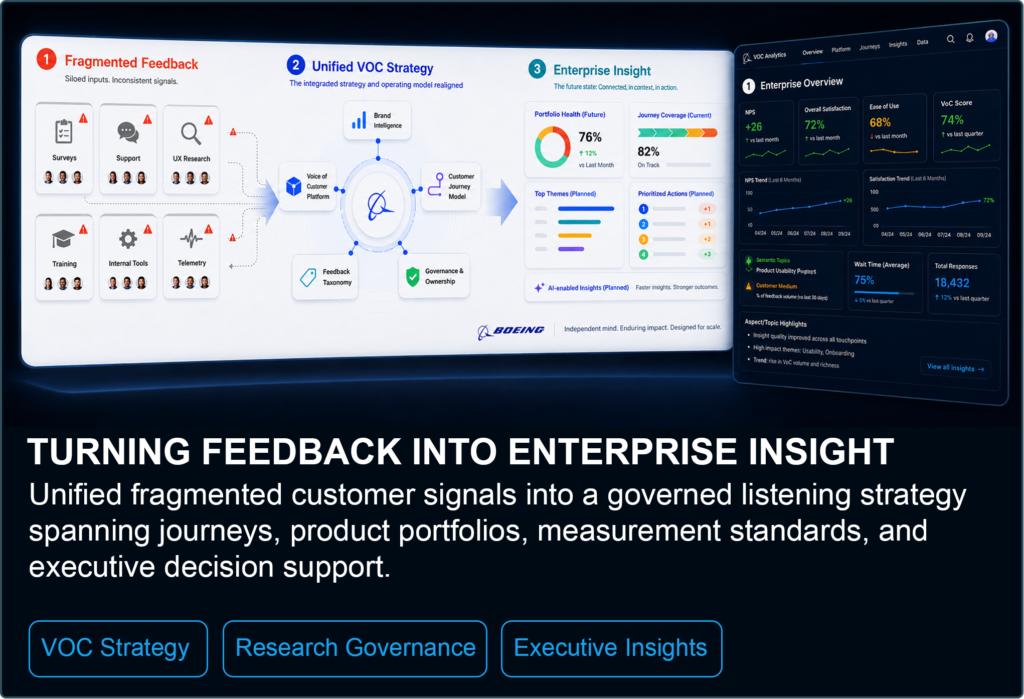
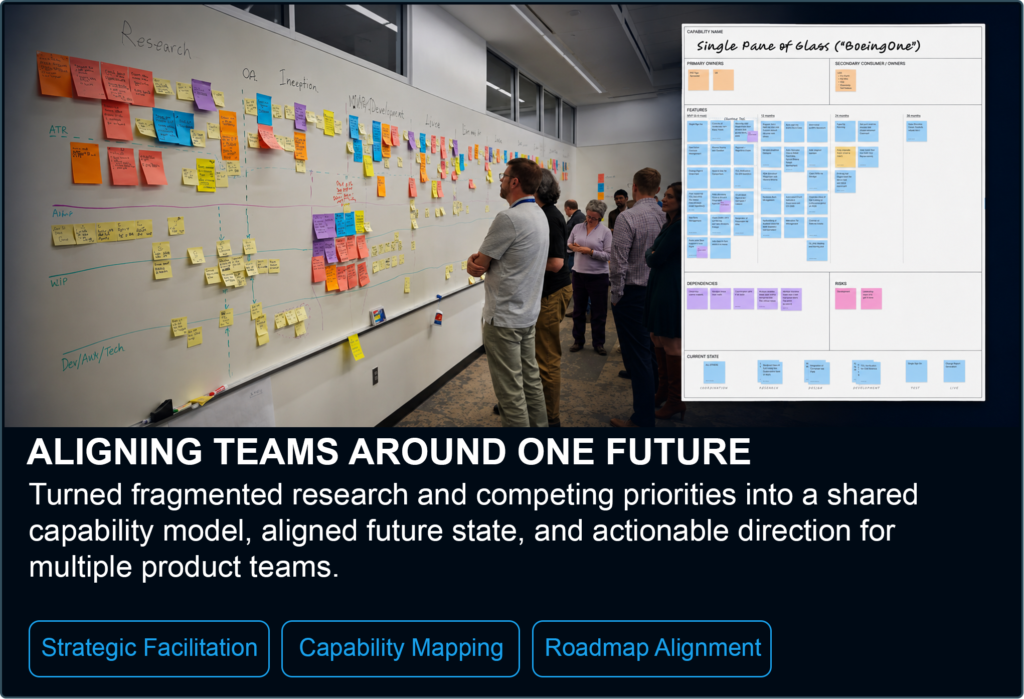
Continue with cases showing how research informed enterprise insight and cross-team product direction.
© 2026 Harsh Kumar. Some project details have been generalized or redacted to protect confidential information.